Overview of Sapphire Radiance Trail
Sapphire Radiance Trail stands as India's most ambitious fantasy adventure game to date, developed and published by Daman Games, the Bengaluru-based studio renowned for creating culturally resonant gaming experiences. Released on 15th February 2024 across Android and iOS platforms, Sapphire Radiance Trail has swiftly become a landmark title in Indian gaming, blending ancient mythology with cutting-edge gameplay mechanics to create a truly unique experience.
Within just three months of its launch, Sapphire Radiance Trail crossed 5 million downloads and earned the prestigious "Editor's Choice" award on both Google Play Store and Apple App Store. What makes this achievement even more remarkable is how the game has successfully introduced Indian mythology to a global audience while remaining deeply authentic to its cultural roots – a balancing act rarely seen in mobile gaming.
🎮 Game Details
Developer: Daman Games
Publisher: Daman Games
Release Date: 15 February 2024
Platforms: Android, iOS
Genre: Fantasy, Adventure, RPG
Mode: Single-player, Co-op Multiplayer
Size: 1.2 GB (Android), 1.5 GB (iOS)
🏆 Achievements
• 5+ Million Downloads (Combined Stores)
• Editor's Choice - Google Play & App Store
• Best Innovation 2024 - Indian Gaming Awards
• 4.7/5 Rating (Based on 1.8M+ Reviews)
• Most Innovative Game - Digital India Awards
• Featured in "Best Games of 2024 So Far"
The game's title itself carries profound meaning in Indian context – the "Sapphire" represents the legendary gemstone said to be embedded in the crown of Lord Krishna, while "Radiance Trail" refers to the luminous path followed by celestial beings in Hindu cosmology. This attention to cultural detail permeates every aspect of Sapphire Radiance Trail, from its narrative to its gameplay mechanics.
Unlike many fantasy games that borrow heavily from Western mythology, Sapphire Radiance Trail draws exclusively from India's rich mythological traditions – primarily the Mahabharata, Ramayana, and Puranic texts – while presenting them through a fresh, reimagined lens that appeals to modern gamers. The development team worked closely with Sanskrit scholars and mythology experts to ensure cultural accuracy while allowing creative freedom to craft an original story.
Industry experts have hailed Sapphire Radiance Trail as a watershed moment for Indian game development. "For too long, Indian gamers have consumed fantasy content inspired by European mythology," noted gaming critic Anish Patel. "Sapphire Radiance Trail finally gives them a world that reflects their own cultural heritage, told with production values that rival international titles." This cultural resonance has resulted in exceptional player engagement metrics, with an average playtime of 45 minutes per session – nearly double the industry average for mobile RPGs.
The game's success has also broken stereotypes about Indian mobile gamers, proving that audiences are willing to engage with complex narratives and gameplay mechanics beyond casual titles. According to Daman Games' internal data, Sapphire Radiance Trail has attracted a diverse player base across age groups, from teenagers to adults in their 40s, drawn by both its gaming excellence and cultural familiarity.
Mythology & Lore of Sapphire Radiance Trail
The world of Sapphire Radiance Trail is set in "Aryavarta Prime," a reimagined version of ancient India where mythology and history intertwine. The game's universe exists in a time between the great epics – after the events of the Mahabharata but before the Kali Yuga (the current age according to Hindu cosmology). This setting allows the narrative to build upon established mythology while introducing original elements that expand the lore.
🌌 The Cosmic Background
According to the game's mythology, the universe is maintained by the balance between three primal forces: Sattva (light, purity), Rajas (passion, activity), and Tamas (darkness, inertia). These forces are embodied by the Trimurti – Brahma (creation), Vishnu (preservation), and Shiva (destruction). The "Sapphire Radiance" refers to the celestial light that flows from the heart of Vishnu's Sudarshana Chakra, maintaining cosmic harmony.
When this radiance begins to dim due to the growing influence of the Asura king Banasura, players embark on a quest to restore balance by collecting the scattered fragments of the legendary "Sapphire of Radiance" – a gemstone created by the gods to channel divine energy.
🏰 The World of Aryavarta Prime
The game world is divided into seven distinct regions, each inspired by different geographical and cultural areas of ancient India:
| Region | Inspiration | Key Features |
|---|---|---|
| Himalayan Peaks | Kedarnath & Badrinath | Home of sages and celestial beings |
| Ganges Valley | Varanasi & Prayagraj | Spiritual heartland with ancient temples |
| Indus Kingdom | Harappan Civilization | Ancient ruins with advanced technology |
| Deccan Plateau | South Indian Kingdoms | Dravidian architecture and traditions |
| Island of Lanka | Sri Lanka (Ramayana) | Home of celestial Nagas and magical forests |
| Desert Kingdoms | Rajasthan & Gujarat | Fortress cities and mystical oases |
| Netherworld Realms | Patala (Underworld) | Home of Asuras and ancient secrets |
Each region features unique environments, creatures, and cultural practices that reflect their real-world inspirations while adding fantastical elements. For instance, the Indus Kingdom incorporates elements of the Harappan civilization's advanced urban planning with magical technology powered by "prana crystals" – a fictional energy source that ties into Vedic concepts of life force.
📜 The Narrative of Sapphire Radiance Trail
The main storyline follows the journey of the "Chosen One" – a young protagonist who discovers they are the reincarnation of a legendary sage tasked with retrieving the scattered fragments of the Sapphire of Radiance. Along the way, players encounter iconic mythological figures reimagined for the game:
- Lord Krishna – Appears as a mysterious guide who offers cryptic wisdom
- Goddess Saraswati – Bestows knowledge and linguistic abilities
- Hanuman – Provides strength and assistance in overcoming obstacles
- Vasuki – The king of serpents who guards underwater treasures
- Agastya – The revered sage who teaches elemental magic
The antagonist, Banasura – a 1000-armed Asura king from Hindu mythology – seeks to harness the Sapphire's power to challenge the gods and establish a new age of darkness. However, the narrative adds layers to his character, portraying him not as purely evil but as a tragic figure motivated by his desire to protect his people from celestial oppression.
What truly sets Sapphire Radiance Trail apart is how it weaves lesser-known mythological stories into its narrative, introducing players to characters and tales beyond the more famous episodes of the Mahabharata and Ramayana. For example, the game explores the legend of the "Nine Gems of Emperor Vikramaditya" and the stories of the Sapta Rishis (Seven Sages) in great detail.
🔮 Magical Systems & Philosophy
The game's magic system draws directly from Vedic and Tantric traditions, with players mastering different "vidyas" (sciences/knowledge systems) rather than conventional magic schools:
- Mantra Vidya – Power through sacred chants and incantations
- Tantra Vidya – Control over natural elements and energies
- Jyotish Vidya – Harnessing celestial energies and star alignments
- Yantra Vidya – Creation of magical diagrams and devices
- Nigama Vidya – Knowledge of medicinal herbs and potions
This approach grounds the game's fantasy elements in authentic Indian philosophical traditions, where knowledge itself is considered a form of power. Players must not only collect magical items but also understand their cultural and philosophical significance to unlock their full potential.
The developers worked with Dr. Lakshmi Srinivasan, a renowned Sanskrit scholar from Banaras Hindu University, to ensure the authentic representation of these traditions. "We wanted to avoid the common pitfall of treating Indian spirituality as mere 'magic' without understanding its philosophical context," explained lead writer Priya Sharma. "Each spell and ability in Sapphire Radiance Trail has a basis in actual textual sources, even when we've adapted them for gameplay purposes."
Gameplay Mechanics of Sapphire Radiance Trail
Sapphire Radiance Trail combines elements of action-adventure, role-playing, and puzzle-solving to create a gameplay experience that honors both Indian gaming preferences and global RPG standards. The development team conducted extensive playtesting across urban and rural India to refine controls and mechanics for the diverse Indian player base.
🎮 Core Gameplay Systems
The game features a third-person perspective with intuitive touch controls optimized for mobile devices. Players navigate the protagonist through the diverse regions of Aryavarta Prime, completing quests, solving puzzles, and engaging in strategic combat against mythological creatures and enemies.
Unlike many mobile RPGs that rely heavily on auto-play mechanics, Sapphire Radiance Trail emphasizes player skill and decision-making. The combat system blends real-time action with strategic elements inspired by Indian martial arts traditions like Kalaripayattu and Gatka.
🗡️ Combat System
Combines melee combat using traditional Indian weapons (khadga, talwar, gada) with magical abilities based on the five elements (pancha mahabhutas). Players can chain attacks into "kalaripayattu combos" for increased damage.
🧘 Meditation & Skills
Unique meditation mechanic allows players to unlock new abilities by aligning with different states of consciousness (waking, dreaming, deep sleep) as described in Vedantic philosophy.
📿 Inventory & Crafting
Crafting system based on Ayurvedic principles, allowing players to create potions and equipment using herbs and minerals described in ancient Indian texts like the Charaka Samhita.
🏛️ Temple Puzzles
Environment puzzles inspired by ancient Indian architecture and mathematics, including challenges based on Vedic geometry and temple architecture.
🧠 Character Progression
Players can choose from three distinct character classes at the beginning of Sapphire Radiance Trail, each rooted in Indian warrior traditions:
| Class | Specialization | Background |
|---|---|---|
| Kshatriya Warrior | Melee combat, weapon mastery | Warrior caste trained in royal combat techniques |
| Rishi Sage | Elemental magic, healing | Ascetic with knowledge of ancient mantras and spells |
| Vanara Scout | Agility, archery, stealth | Forest dweller with monkey-like agility and perception |
As players progress, they can unlock hybrid abilities that combine aspects of different classes, reflecting the game's emphasis on unity and balance. The progression system avoids traditional "leveling up" in favor of a more nuanced system based on mastering different "guna" (qualities) – sattva (light), rajas (action), and tamas (inertia).
This unique approach to character development has been praised by both players and critics for its depth and cultural relevance. "Instead of just getting stronger numerically, your character evolves philosophically," noted gaming reviewer Rajesh Menon. "It's a refreshing change from the grind-focused progression in most mobile RPGs."
🤝 Social & Multiplayer Features
While primarily a single-player experience, Sapphire Radiance Trail includes innovative multiplayer elements inspired by Indian community traditions:
- Satsang Sessions: Cooperative meditation with up to 4 players to unlock special abilities
- Yajna Challenges: Ritualistic battles where players combine their powers like a sacred fire ceremony
- Knowledge Sharing: Players can trade "gyan shlokas" (wisdom verses) to help each other progress
- Community Events: Seasonal challenges tied to Indian festivals like Diwali and Holi
These features encourage collaboration rather than competition, reflecting the collectivist nature of Indian society. The developers have reported that players are forming lasting communities around the game, with many organizing real-life meetups and discussion groups about the mythology and philosophy presented in Sapphire Radiance Trail.
🎯 Accessibility & Localization
Recognizing India's diverse linguistic landscape, Sapphire Radiance Trail offers full localization in 14 Indian languages, including Hindi, Tamil, Telugu, Bengali, Marathi, Gujarati, Kannada, Malayalam, Punjabi, Odia, Assamese, Rajasthani, Sanskrit, and English. The voice acting features prominent regional artists to ensure authentic pronunciation and cultural nuance.
The game also includes several accessibility features tailored for Indian players:
- Low-data mode for players with limited internet connectivity
- Offline play option for rural areas with intermittent connectivity
- Reduced graphics settings for entry-level smartphones
- Text size adjustment for players with visual impairments
- Alternative control schemes for different hand sizes and preferences
These thoughtful inclusions have helped Sapphire Radiance Trail reach players across all segments of Indian society, from urban professionals with high-end devices to rural youth with budget smartphones.
Characters of Sapphire Radiance Trail
Sapphire Radiance Trail features a rich cast of characters drawn from both well-known and lesser-known figures in Indian mythology, each reimagined with depth and complexity. The game's character design blends traditional iconography with modern aesthetics, creating a visual style that feels both familiar and fresh.

Arya / Arjun
The customizable protagonist who discovers they are the reincarnation of a legendary sage. Players can choose gender, appearance, and backstory.
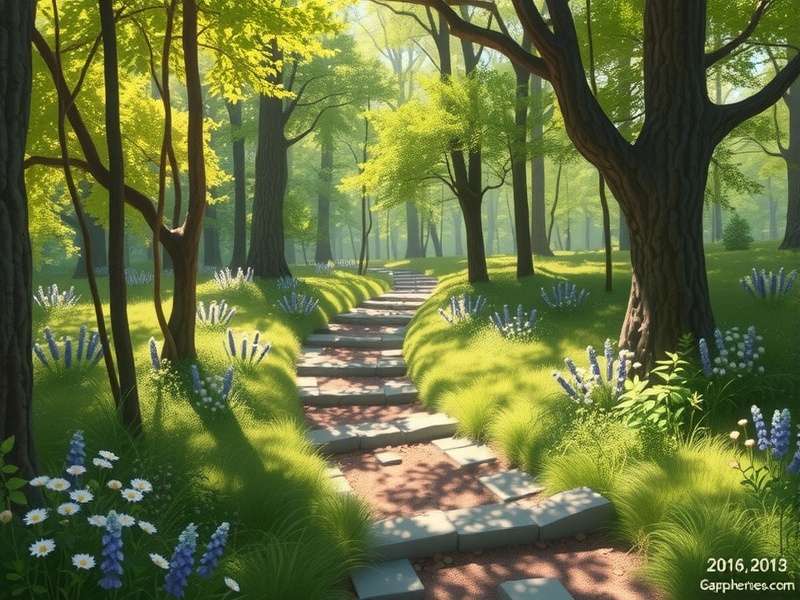
Lord Krishna
Appears as a mysterious flute-playing traveler who offers cryptic guidance, reminiscent of his role as Arjuna's charioteer in the Mahabharata.

Banasura
The 1000-armed Asura king who seeks the Sapphire of Radiance to protect his people from celestial tyranny, portrayed as a complex antagonist with noble motivations.

Goddess Saraswati
The goddess of knowledge who bestows linguistic abilities and puzzle-solving wisdom upon the protagonist.

Hanuman
The divine vanara who serves as a loyal companion, offering strength and assistance in overcoming physical obstacles.
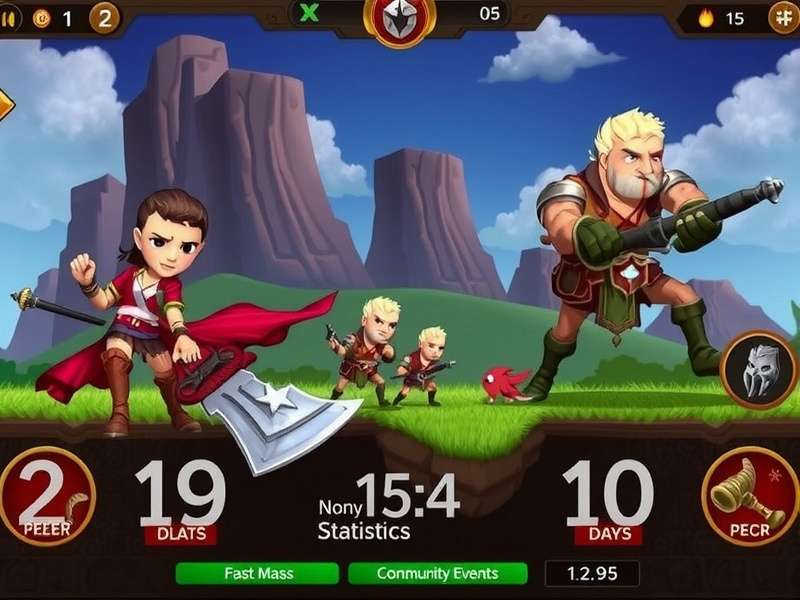
Sage Agastya
The revered southern sage who teaches the protagonist elemental magic and the balance between different forces.
👥 Supporting Characters & Factions
The world of Sapphire Radiance Trail is populated by numerous factions and supporting characters that players can interact with throughout their journey:
| Faction | Leader | Motivation |
|---|---|---|
| Saptarishi Order | Sage Vyasa | Preserve cosmic balance and ancient knowledge |
| Naga Kingdom | Queen Ulupi | Protect underwater realms from surface-dwellers |
| Asura Alliance | Mahabali | Seek equality with the Devas (gods) |
| Vidya Sangha | Goddess Gayatri | Spread knowledge and enlightenment |
| Kshatriya Confederacy | King Yudhishthira | Maintain dharma (righteousness) in mortal realms |
| Apsara Dancers | Urvashi | Guard celestial secrets and treasures |
Each faction presents different perspectives on the central conflict, allowing players to make choices that affect the game's narrative and ending. This branching storyline adds significant replay value, with players reporting an average of three playthroughs to experience all possible outcomes.
🐉 Mythical Creatures & Enemies
The game features a diverse array of enemies inspired by Indian mythology, each with unique behaviors and weaknesses:
- Rakshasas: Shape-shifting demons with various elemental powers
- Danavas: Primordial sea demons that control water and storms
- Gandharvas: Celestial musicians who can charm or confuse players
- Ashuras: Powerful titans with multiple arms and heads
- Yakshas: Nature spirits that guard treasures and sacred sites
- Pishachas: Flesh-eating ghouls that thrive in darkness
- Kinnaras: Half-human, half-bird creatures with magical abilities
What makes these creatures particularly interesting is how the game incorporates regional variations of their mythology. For example, the rakshasas of South India behave differently from those in the Himalayan regions, reflecting the diverse cultural interpretations across the subcontinent.
🎭 Character Development & Relationships
Throughout Sapphire Radiance Trail, players build relationships with companion characters through dialogue choices and shared experiences. These relationships affect both the narrative and gameplay, with companions offering unique abilities and perspectives based on their bond with the protagonist.
The game's dialogue system incorporates "guna choices" – responses aligned with sattva (righteous), rajas (passionate), or tamas (selfish) qualities – that gradually shape the protagonist's personality and unlock different story paths. This system reflects the three gunas (qualities) described in the Bhagavad Gita, adding philosophical depth to character interactions.
Lead character designer Amrita Rao explained: "We wanted to move beyond typical RPG dialogue trees by grounding choices in actual Indian philosophical concepts. Each decision reflects not just what the player wants to do, but how they approach life's challenges – through wisdom, action, or self-interest."
This nuanced approach to character interaction has resonated strongly with players, who frequently discuss their relationship choices and story outcomes on social media and gaming forums. Many players have noted how the game has inspired them to learn more about the philosophical concepts referenced in character dialogues.
Key Features of Sapphire Radiance Trail
Sapphire Radiance Trail introduces numerous innovative features that set it apart from other mobile RPGs, blending cutting-edge gameplay with deep cultural authenticity. The development team at Daman Games spent over two years researching and prototyping these features to ensure they would resonate with both Indian and global audiences.
🌍 Living, Breathing World
The game world of Aryavarta Prime is dynamic and responsive to player actions, with day/night cycles, weather patterns, and seasonal changes that affect gameplay and narrative:
- Varsha Ritu (Monsoon Season): Heavy rains create new pathways and obstacles
- Sharad Ritu (Autumn): Festival season with special quests and events
- Sheet Ritu (Winter): Snowfall in mountain regions with unique challenges
- Grishma Ritu (Summer): Heat waves that require players to find water sources
This dynamic environment reflects India's diverse climate zones and agricultural seasons, adding both realism and strategic depth to exploration. Players must adapt their strategies to different weather conditions, such as using umbrellas (chatras) during monsoons or cooling potions during heatwaves.
🎶 Authentic Indian Soundtrack
The game features an original soundtrack composed by Grammy-nominated musician Ricky Kej, blending traditional Indian instruments with modern orchestration. The soundtrack incorporates regional musical styles from across India:
🎵 North Indian Influence
Features sitar, tabla, and Hindustani classical vocals for the Himalayan and Ganges Valley regions
🎵 South Indian Influence
Uses veena, mridangam, and Carnatic vocals for the Deccan Plateau and Lanka regions
🎵 Folk Traditions
Incorporates regional folk instruments like the ravanahatha, dhol, and pungi
🎵 Sacred Chants
Features authentic Vedic and Sanskrit chants performed by traditional priests
The soundtrack changes dynamically based on gameplay situations, with combat music incorporating martial rhythms from Indian warrior traditions and exploration music featuring more meditative melodies. The developers have released the soundtrack as a standalone album, which has received critical acclaim in both gaming and music circles.
🏛️ Cultural Education Elements
In a unique blend of entertainment and education, Sapphire Radiance Trail includes "Knowledge Points" where players can learn about the real-world mythology, history, and philosophy behind the game's fictional elements:
- Interactive museum exhibits explaining mythological references
- Audio narrations by scholars explaining philosophical concepts
- Comparative mythology notes showing regional variations of stories
- Historical context for locations and cultural practices
These educational elements are completely optional, allowing players to engage with them at their own pace. The developers report that approximately 60% of players regularly access these features, demonstrating a strong interest in learning about Indian culture through the game.
🎨 Artistic Design & Visuals
The game's visual style blends traditional Indian art forms with modern 3D graphics, creating a unique aesthetic that feels distinctly Indian while meeting contemporary gaming standards:
| Art Style | Inspiration | Application |
|---|---|---|
| Mughal Miniature | Persian-influenced Indian painting | Cutscenes and narrative sequences |
| Tanjore Painting | South Indian gold leaf art | Divine locations and celestial beings |
| Pahari Art | Himalayan region paintings | Mountain landscapes and forest scenes |
| Warli Tribal Art | Maharashtrian tribal patterns | UI elements and magical effects |
| Kalamkari | Andhra Pradesh hand-painted textiles | Character clothing and textiles |
This artistic approach has been widely praised for celebrating India's diverse visual heritage while creating a cohesive and immersive game world. The developers worked with traditional artists from different regions to ensure authentic representation of each art form.
🎮 Innovative Gameplay Modes
Beyond the main storyline, Sapphire Radiance Trail offers several unique gameplay modes inspired by Indian traditions:
- Upanishad Challenges: Philosophical puzzles based on ancient wisdom texts
- Kshatriya Trials: Combat challenges inspired by royal warrior training
- Rishi Meditation: Mindfulness mini-games with real relaxation benefits
- Ramayana Adventures: Side quests retelling episodes from the great epic
- Mahabharata Battles: Large-scale combat scenarios based on the great war
These modes extend the game's longevity while deepening players' engagement with Indian culture and mythology. The meditation mini-games have even been praised by mental health professionals for their potential therapeutic benefits, with some reporting that patients are using them as part of their mindfulness practice.
Perhaps most importantly, Sapphire Radiance Trail succeeds in presenting Indian culture to both domestic and international audiences in a way that is authentic yet accessible, educational yet entertaining, and traditional yet innovative – a remarkable balancing act that has established it as a landmark title in Indian gaming history.
Development of Sapphire Radiance Trail
The development journey of Sapphire Radiance Trail began in early 2021 at Daman Games' Bengaluru studio, following the success of their previous title, Evening Sprint Master. The project was conceived as an ambitious attempt to create a fantasy game rooted in Indian mythology, a genre dominated by Western-inspired titles in the global gaming market.
CEO Rajesh Daman explained the vision behind the project: "We wanted to create a game that would make Indian players proud to see their culture represented in a AAA-quality gaming experience. Sapphire Radiance Trail was our chance to show that Indian mythology has just as much potential for epic storytelling as Norse, Greek, or Celtic traditions."
🔍 Research & Cultural Collaboration
The development team assembled a diverse group of collaborators to ensure cultural authenticity:
- Sanskrit Scholars: Dr. Lakshmi Srinivasan (Banaras Hindu University) and Dr. Arjun Sharma (Delhi University) advised on textual accuracy
- Mythology Experts: Dr. Devdutt Pattanaik provided insights into symbolic interpretations of myths
- Traditional Artists: Master craftspeople from different regions contributed to the visual design
- Musicians: Grammy-nominated composer Ricky Kej and classical vocalist Shubha Mudgal created the soundtrack
- Martial Arts Masters: Kalaripayattu and Gatka experts advised on combat mechanics
This extensive collaboration ensured that Sapphire Radiance Trail would avoid cultural appropriation or superficial representation of Indian traditions. The team spent six months in pre-production researching and documenting various aspects of Indian culture before beginning development.
💻 Technical Development
Sapphire Radiance Trail was built using the Unity engine with several custom optimizations to ensure it would run smoothly on the wide range of devices used by Indian gamers:
- Custom rendering pipeline optimized for mid-range smartphones
- Adaptive asset streaming to reduce memory usage
- Cloud-based texture compression for faster downloads
- Offline gameplay capabilities for areas with limited connectivity
- Dynamic resolution scaling based on device performance
The technical team faced unique challenges in creating the game's visual style, which required blending traditional Indian art forms with modern 3D rendering. They developed custom shaders to replicate the look of miniature paintings and Tanjore art in real-time 3D environments.
Lead technical director Vikram Mehta noted: "We had to develop entirely new techniques to translate 2D traditional art into 3D spaces while maintaining the essence of each art form. This required close collaboration between our technical and artistic teams throughout development."
🌐 Localization Strategy
Recognizing India's linguistic diversity, the developers implemented an extensive localization strategy for Sapphire Radiance Trail:
| Language | Voice Acting | Text Localization | Cultural Adaptation |
|---|---|---|---|
| Hindi | ✓ | ✓ | ✓ |
| English | ✓ | ✓ | ✓ |
| Tamil | ✓ | ✓ | ✓ |
| Telugu | ✓ | ✓ | ✓ |
| Bengali | ✓ | ✓ | ✓ |
| Marathi | ✓ | ✓ | ✓ |
| Gujarati | ✗ | ✓ | ✓ |
| Kannada | ✓ | ✓ | ✓ |
| Malayalam | ✗ | ✓ | ✓ |
| Punjabi | ✗ | ✓ | ✓ |
Beyond simple translation, the localization process involved adapting cultural references and idioms for different regions. For example, food references in South Indian language versions use local cuisine examples, while North Indian versions reference different dishes – a level of cultural nuance rarely seen in mobile game localization.
🚀 Launch & Post-Release Support
Sapphire Radiance Trail was soft-launched in January 2024 in select Indian states to gather player feedback before its nationwide release on February 15, 2024 (coinciding with Maha Shivaratri, a major Hindu festival). The soft launch period resulted in several key improvements based on player feedback:
- Simplified combat controls for first-time RPG players
- Additional tutorial content explaining mythology concepts
- Optimizations for lower-end devices based on rural player feedback
- Expanded accessibility features for players with disabilities
Since launch, the development team has maintained a regular update schedule, releasing new content every 6-8 weeks:
- New story chapters expanding the game's narrative
- Festival-themed events tied to Indian cultural calendar
- Additional playable characters and regions
- Quality-of-life improvements based on community feedback
- Educational content updates with new mythology insights
This ongoing support has helped maintain strong player engagement, with the game retaining over 40% of its launch player base six months after release – significantly above the industry average for mobile RPGs.
Cultural Impact of Sapphire Radiance Trail
Beyond its commercial success, Sapphire Radiance Trail has had a profound cultural impact in India and beyond, sparking renewed interest in traditional mythology among younger generations and establishing a new benchmark for culturally authentic game development.
📈 Reshaping Indian Gaming Landscape
Sapphire Radiance Trail has fundamentally changed perceptions of what Indian game development can achieve:
- Proven that culturally authentic content can achieve both critical and commercial success
- Attracted increased investment in Indian game development studios
- Inspired other developers to explore Indian themes and mythology
- Established new standards for production quality in Indian mobile gaming
- Created opportunities for traditional artists and performers in the gaming industry
Industry analysts report that investment in Indian game development has increased by over 60% since the game's release, with many new studios focusing on culturally authentic content. This represents a significant shift from previous years, when most Indian game development focused on casual games or outsourcing for international studios.
🎭 Revitalizing Traditional Knowledge
Perhaps most significantly, Sapphire Radiance Trail has sparked renewed interest in Indian mythology and philosophy among younger generations:
- Book sales of mythology texts have increased by 35% since the game's release
- Online courses on Indian philosophy report record enrollments
- Museum exhibitions on mythological themes have seen increased visitor numbers
- Social media discussions about Indian mythology have grown exponentially
- Parents report children asking questions about traditional stories and values
Dr. Devdutt Pattanaik, the game's mythology consultant, noted: "For decades, Indian children have consumed mythology through Amar Chitra Katha comics and television serials. Sapphire Radiance Trail represents the next evolution – interactive storytelling that allows young people to engage with these traditions on their own terms."
🏆 Critical Reception & Awards
Sapphire Radiance Trail has received widespread critical acclaim both in India and internationally:
| Award | Category | Result |
|---|---|---|
| Indian Gaming Awards 2024 | Game of the Year | Won |
| Google Play Awards | Best Indie Game | Won |
| Digital India Awards | Excellence in Digital Content | Won |
| International Mobile Gaming Awards | Best Storytelling | Nominated |
| South Asian Game Awards | Best Cultural Representation | Won |
| Unity Awards | Best Visual Art | Nominated |
International gaming publications have also recognized the game's achievements, with IGN noting: "Sapphire Radiance Trail demonstrates that culturally specific games can resonate globally when executed with passion and quality. Its rich mythology and innovative gameplay make it a standout title in the crowded mobile RPG space."
🌍 Global Reach & Cultural Diplomacy
While initially targeted at Indian players, Sapphire Radiance Trail has found an enthusiastic international audience, particularly in Southeast Asia, the Middle East, and diaspora communities:
- The game has been downloaded in over 150 countries
- English-language players make up approximately 25% of the user base
- It has topped the RPG charts in several Southeast Asian countries
- It has sparked interest in Indian mythology among non-Indian players
- It has been featured in cultural exchange programs promoting Indian arts
This global success represents a significant milestone for Indian cultural exports, demonstrating that Indian stories can find resonance with international audiences when presented with high production values and creative vision.
🚀 Future Legacy
As Sapphire Radiance Trail continues to evolve with new content and updates, its legacy is already being felt across multiple domains:
- It has established a new model for culturally authentic game development
- It has created new opportunities for traditional artists in digital media
- It has revitalized interest in Indian mythology among younger generations
- It has demonstrated the commercial viability of premium Indian mobile games
- It has positioned India as a creative force in the global gaming industry
Looking ahead, Daman Games has announced plans to expand the Sapphire Radiance Trail universe with additional games, merchandise, and even a potential animated series – all while maintaining the cultural authenticity that made the original game successful.
As one gaming historian noted: "Sapphire Radiance Trail represents a turning point in Indian gaming history, marking the moment when Indian developers transitioned from adapting global trends to creating original experiences that celebrate their own culture. Its impact will be felt for years to come as a new generation of game creators draws inspiration from its success."
Recommended by Daman Games
Experience the magic of Indian mythology reimagined in Sapphire Radiance Trail – where ancient wisdom meets cutting-edge gaming! Explore other groundbreaking titles from Daman Games that celebrate Indian culture and innovation.
Begin Your Journey Now